A useful observation log tells a reader where, when and how an observation was made. It makes a later review possible without turning a photograph or a calculator result into an acceptance certificate.
01 / Establish the view before application
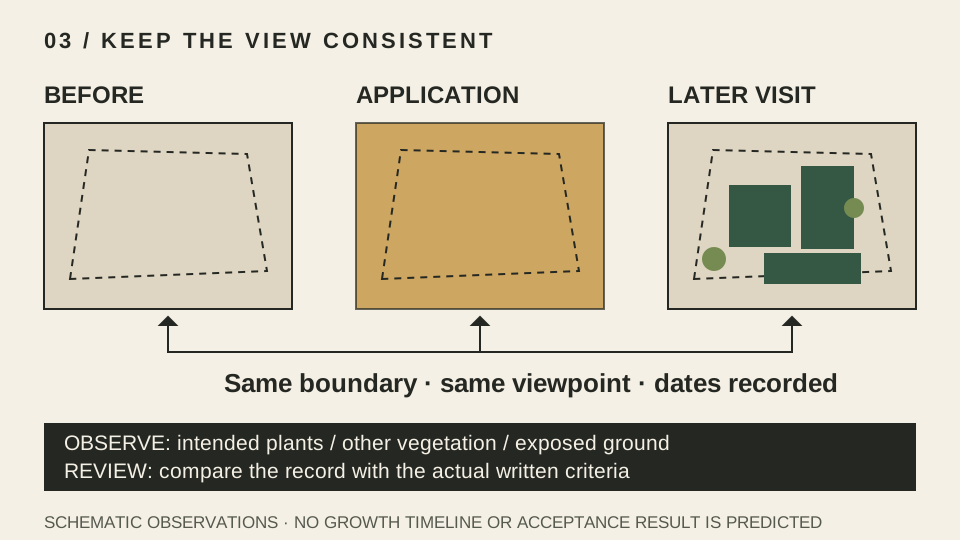
Choose a few repeatable photo positions that represent the treatment area and any distinct zones. Mark them on the project sketch. Give each view a short identifier, then record the date, direction and boundary visible in the image. Include a wider context view when a close photograph cannot locate the subject.
Write a brief account of the observed surface and any conditions that were already present. Use descriptive language and retain the original images. A useful entry might identify exposed ground in a marked corner; it should not assign a cause that has not been assessed.
02 / Connect the application to the record
On the application record, identify the treated boundary, date and the referenced material schedule. Preserve the seed lot and other product references supplied for the work. Note any documented change and who authorized it. Keep an application record distinct from an earlier proposed quantity so readers can tell plan from record.
Do not use surface colour as a stand-alone quality verdict. NRCS describes dyed fibre mulch as an aid to seeing its distribution in its post-fire hydromulching guidance. That limited visual purpose does not establish a seed quantity, vegetation outcome or acceptance result. The wildfire context also carries its own site-specific design needs. Read the NRCS hydromulching explanation.
03 / Describe later observations consistently
Return to the recorded views and use the same boundary where practical. Keep the date and site context beside each entry. Separate intended vegetation, other vegetation and exposed ground instead of describing everything with a single word such as “green.” When identity is uncertain, flag it for the appropriate review.
Record relevant events supplied by the caregiver, such as traffic, a change in the water arrangement or an observed runoff issue. Distinguish reported information from what the observer saw. A dated note can prompt a useful question without proving a diagnosis or prescribing a repair.
The observation tool can organize entered numbers and compare them with entered criteria. Its result inherits those inputs. It cannot validate the observation method, identify species, confirm rooting or satisfy an inspection obligation. Save the assumptions with the output so it remains interpretable.
04 / Keep acceptance with the actual criteria
Before calling a result acceptable, locate the governing criteria and identify the person authorized to review them. Record the required evidence and the applicable process. If the project has no written criteria, make that a question for the responsible parties rather than inventing a percentage or a universal deadline.
When an issue is found, describe its extent, attach the relevant dated views and ask for a site-specific review. Record the decision and any agreed follow-up against that issue. Repeating an application is a proposed response, not proof that the underlying cause has been addressed.
The final log should show the history of a defined area and the decisions made about it. It supports a review; it does not replace professional judgment, the project documents or the responsibilities recorded in the method brief.
Put the note to work
Record the relevant observations, documents and unanswered questions in your project brief.
Prepare your request ↗