A method brief is the bridge between an observed site and a proposed application. It gives everyone the same starting questions without pretending the site has already been assessed.
01 / Name the method precisely
Hydroseeding uses a hydraulic spray rig to apply seed with fibre, tackifier and other specified materials. Hydromulch may include seed or may serve a different surface-protection objective. Caltrans makes that distinction and describes these treatments as surface applications: they do not repair underlying soil structure or restore compacted ground. Its guidance is a useful technical explanation, not a Canadian project specification. Read the Caltrans treatment overview.
In your brief, write the objective beside the method. Is the intended work a maintained lawn, a specified revegetation area or temporary protection within a larger erosion plan? Those descriptions should trigger different questions. Avoid treating a generic product name as an answer to all three.
02 / Draw the boundary and record the unknowns
Prepare a simple annotated plan. Mark the proposed treatment area, its measurement basis, access and anything that must be protected. Show distinct zones when use, exposure or existing conditions differ. A small legend is more useful than a large drawing with unexplained colours.
Place unresolved conditions directly on the record. Examples include the person responsible for drainage review, the status of grading, existing vegetation to retain or remove, and areas where soil preparation has not been defined. Describe observations plainly. “Standing water photographed after rain” is a record; a diagnosis or repair prescription requires the appropriate assessment.
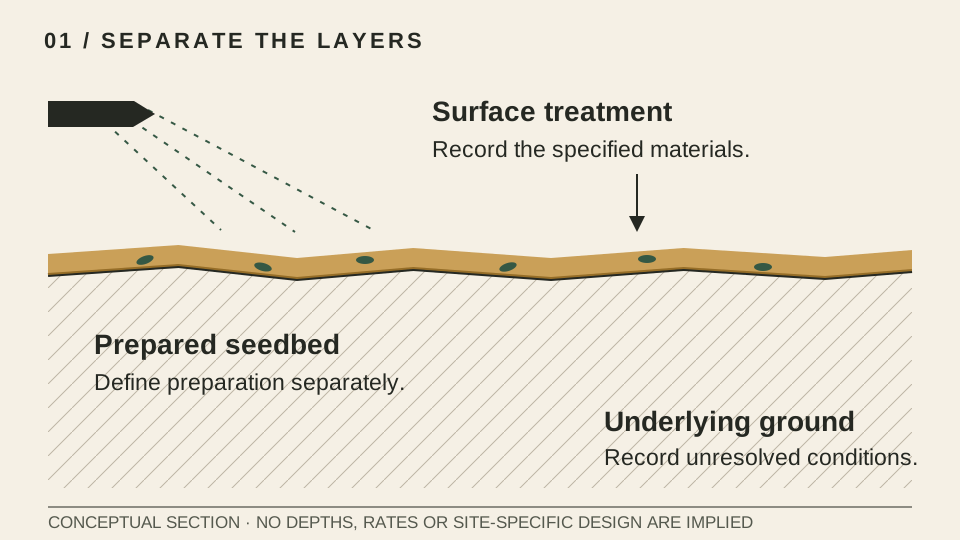
03 / Separate the work above and below the surface
Use three headings in the proposed scope: preparation, application and establishment. Under preparation, identify the approved seedbed work and who confirms readiness. Under application, request the method and component schedule. Under establishment, identify the caregiver and the process for reporting conditions.
Leave a visible space for items that are outside the proposal or remain unresolved. A clear exclusion is something to review; an unspoken assumption is difficult to compare. If a governing design or contract already exists, ask the responsible person which edition and amendments apply. This manual does not create a replacement specification.
04 / Compare proposals on one basis
Send the same sketch and question list to the people reviewing the project. Then compare how each proposal handles the boundary, preparation responsibility, specified seed, accompanying materials and care. Keep alternatives in separate columns so that a change in the method does not quietly change the area or objective.
Record the quantities and their units rather than asking only for a single total price. Ask who makes the final method selection and who authorizes a change when the observed site differs from the brief. Service availability, actual pricing and professional involvement need confirmation for the location.
The finished brief should let another reader identify what is known, what is proposed and which decision comes next. It is a working project record, not evidence that the ground is ready or a guarantee of establishment. Continue with the material schedule chapter once the objective and responsibilities are clear.
Put the note to work
Record the relevant observations, documents and unanswered questions in your project brief.
Prepare your request ↗